
Is life worth living? It all depends on the liver.
William James
The liver receives blood directly from the intestines containing almost everything absorbed by the intestines, including nutrients, drugs, and sometimes toxins. This flows through a latticework of tiny channels inside the liver, where the digested nutrients and toxins are processed.
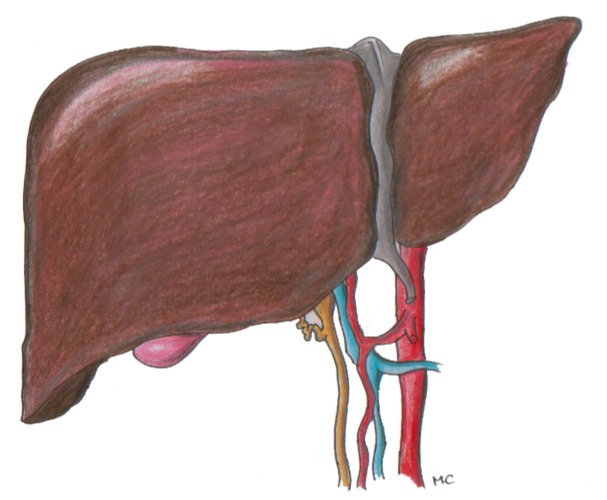
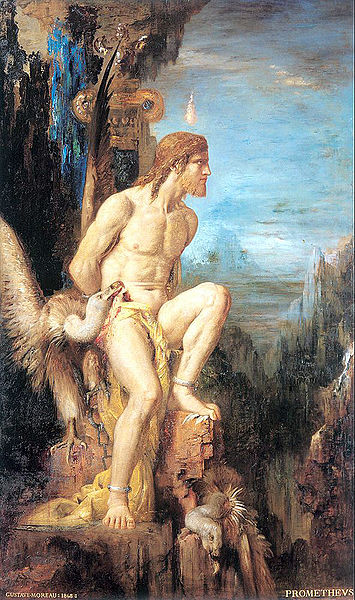
The liver is the only organ in the body which can regrow if part of it is removed. This allows surgeons to be able to cut out cancerous liver leaving a small amount behind to regenerate. In Greek mythology, Prometheus was punished by the gods for revealing fire to humans by being chained to a rock where a vulture would peck out his liver, which would grow again overnight only to be eaten again when the eagle returned the following morning. How the ancient Greeks knew about the liver’s regenerative capacity is a mystery.
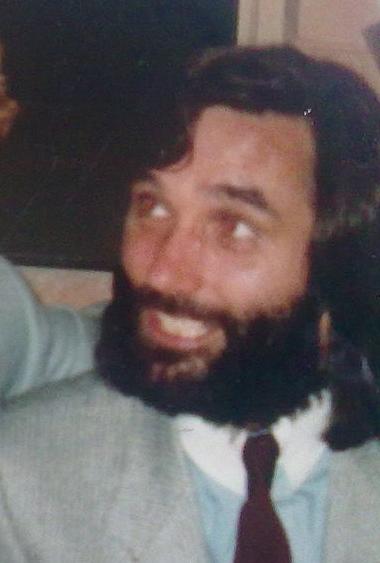
Symptoms of liver disease can include abdominal pains, vomiting and jaundice where the skin turns a yellowish colour due to the accumulation of bile pigments in the blood that are normally removed by the liver. When chronic diseases cause the liver to become permanently injured and scarred, the condition is called cirrhosis. The Football legend George Best died from this in 2005 due to his alcoholsim with the British tabloid News of the World carrying out his final request of publishing a picture of him in his hospital bed along with a message: “Don’t die like me“.
Inherited liver diseases include haemochromatosis, Wilson’s disease, familial hypercholesterolemia and Gilbert’s syndrome where the liver is unable to process either iron, copper, cholestrol or bile products from the blood resulting in the accumulations of these substances in various organs and tissues in the body.
Wilson's Disease
Wilson’s disease is caused by mutations in a gene disrupting the ability of the liver to deal with copper, where instead it is released into the blood depositing throughout the body, particularly in the kidneys, eyes and brain leading to psychiatric symptoms in addition to liver disease.
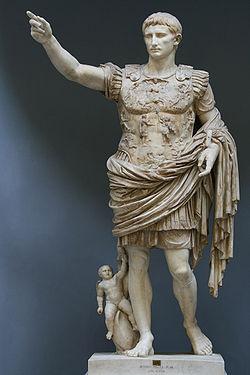
Augustus Caesar is known to have suffered chronic ill health with symptoms of intestinal and immune system disorders suggestive of a syndrome affecting the liver and kidneys, possibly Wilson’s disease. There is some suggestion that he might have passed the gene for this disease on to two of his descendents, Nero and Caligula, who also showed mentally instability and epilepsy.
Hemochromatosis
Hemochromatosis results in individuals accumulating increased iron that can lead to liver damage, diabetes mellitus and congestive heart failure, although most patients show no symptoms until they are over 50 years old. This is one of the most common genetic diseases, affecting as many as 1 in 200 among – due to this high incidence it has been suggested that the disorder may have or previously had some selective advantage due to the body retaining higher iron levels.
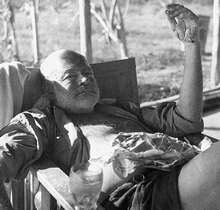
Clarence Hemingway, the physician father of Ernest, is known to have developed bronze diabetes (pigmentation of the skin due iron deposition and melanin) owing to this condition in the years prior to his suicide at age fifty-nine. The excess iron is also suspected to affect the brain, leading to depression, indeed three of his six children (including Ernest), in addition to a granddaughter, suffering from diabetes and depression leading to suicide.
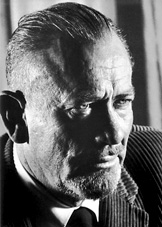
This syndrome has also been reported in the family of another famous American author, John Steinbeck, whose son John Steinbeck IV was affected. “I inherited two life-threatening diseases from my parents”, he explained, “haemochromatosis and alcoholism”.
Familial Hypercholesterolemia
Familial hypercholesterolemia is one of the most common a genetic disorders. This is characterized by high levels of LDL (low-density lipoprotein, “bad cholesterol”) as the liver is unable to remove this from the blood stream properly. This leads to increased risk for heart attacks and heart disease. Cholesterol may also be deposited as in yellowish patches around the eyelids and in form of lumps in the tendons of the hands, elbows, knees and feet.
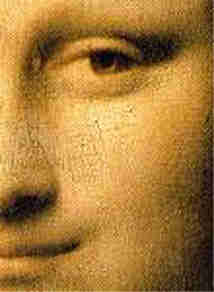
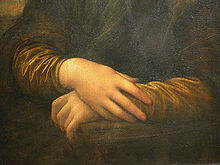
Leonardo da Vinci, in addition to his art is famed for his remarkable efforts in scientific work including investigations of atherosclerosis. Indeed, careful clinical examination of the Mona Lisa reveals a yellow irregular leather-like spot at the inner end of the left upper eyelid and a well-defined swelling on the right hand beneath the index finger, probably signifying the first case of this disease.
Gilbert's Syndrome
The liver is involved in the breakdown of the haemoglobin component of red blood cells into bile pigments (billirubin and biliverdin) that are excreted by the liver into the bile duct and through the bowels. High circulating levels of bile pigments in the blood can lead to the skin, and the whites of the eyes, showing a yellow colour known as jaundice. Furthermore, the urine can appear darker as the pigments are passes through the kidneys while the faeces can become a lighter cream colour as the dark red and green bile pigments are moved into the bowels.
Inherited defects in a gene coding for a liver enzyme (iuridine-diphosphate glucuronosyltransferase) involved in processing and solubilizing bilirubin causes Gilbert’s syndrome. This can present with intermittent jaundice, particularly in times of illness, stress, exertion, poor diet or consumption of liver toxins such as excessive alcohol. However, this very common hereditary condition is usually harmless with some studies suggesting lower risks of coronary heart disease in affected individuals.
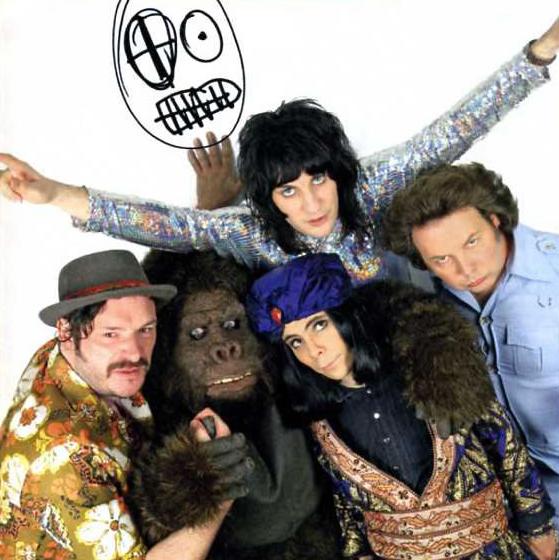
British comedian, Noel Fielding has described that if he drinks too much alcohol, he gets a slight jaundice from his Gilbert’s Syndrome.